
How Much Money Can You Make Reselling?

It depends on what you're willing to put in

Reseller holding cash

Key Points

  • Dedicated resellers who pursue every opportunity can earn $15,000 to $20,000 per year

  • Most consider it a side hustle alongside a day job, grinding smaller flips while hunting big opportunities

  • Risk management and smart money management are the main predictors for huge profits

Reselling gets pitched as passive income, easy money, and a side hustle that practically runs itself. That’s not exactly wrong, but it’s not the full picture either. The truth is more interesting: reselling can be genuinely lucrative, but only if you treat it seriously. It rewards the resellers who show up consistently, manage their risk intelligently, and are ready to move fast when a real opportunity lands. For those people, it adds up to real money. For everyone else, it’s a fun hobby with occasional upside.

Quick Answer

Is reselling profitable? Yes, with realistic expectations. Part-time resellers who pursue every viable opportunity can reasonably earn $15,000 to $20,000 per year in additional income. Resellers who cherry-pick only the biggest flips will earn less but occasionally see massive single-day returns. Full-time resellers with experience and capital can do significantly more. What you get out of it depends almost entirely on what you put in.

Is Reselling Worth It?

Before getting into numbers, it helps to understand what most resellers are actually doing day-to-day. Reselling is not a passive income stream. It requires time to source, research, list, pack, and ship. It involves capital tied up in inventory. It comes with risk, because not every flip works out.

That said, the mechanics are simple: you find something selling for less than it’s worth on the secondary market, buy it, and sell it for more. The gap between those two prices, minus platform fees and shipping, is your profit. Do that consistently across enough transactions and you have a meaningful income stream.

The resellers who make the most money are not the ones sitting around waiting for a lottery ticket. They are the ones grinding the smaller, reliable flips while staying positioned to capitalize when a big opportunity comes along. Those two things together, steady volume plus occasional home runs, are what make reselling genuinely profitable over time.

Different Flips, Different Profits

Retail Arbitrage & Thrifting

This is where most beginners start, and for good reason. Retail arbitrage means buying products from stores like Target, Walmart, or TJ Maxx at clearance or discounted prices and reselling them online for a profit. Thrifting follows the same idea, except your sourcing ground is Goodwill, estate sales, or garage sales.

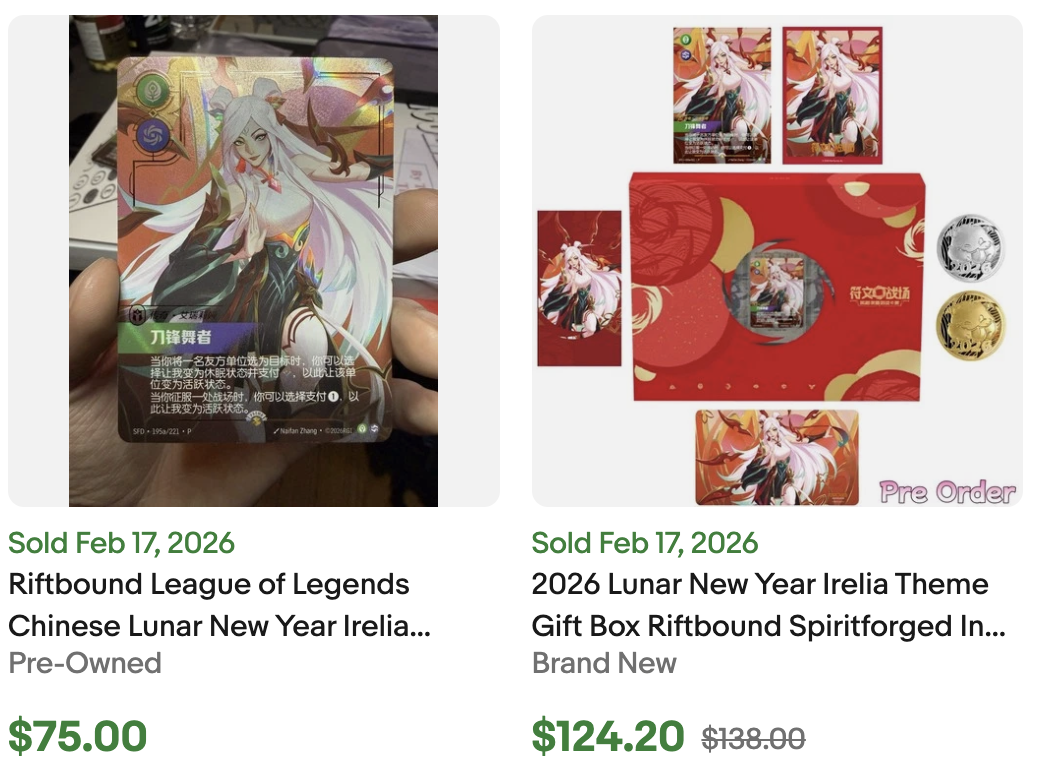
The profit margins here tend to be modest. You pick up a bundle of trading cards for $30, sell them for $130 and move onto the next flip. Maybe it’s a LEGO set, maybe it’s a T-shirt. Either way, you stay flexible and accrue profits.

Riftbound Lunar Revel Bundle for Sale

Resellers scored profits of up to $100 on these trading card bundles

First-month realistic expectations for retail arbitrage: somewhere between $100 and $500 in profit, depending on your sourcing area, how often you go out, and how much you know about what sells. By month six, resellers who are actively learning their categories and building volume can be looking at $500 to $1,500 per month.

Limited Drops and Collectibles

This is where reselling gets more exciting and more volatile. Limited drops include things like exclusive sneakers, limited-edition trading cards, brand collaborations, and items released in small quantities through specific retailers. When these go right, the returns are exceptional.

A reseller who secures a high-demand limited release at retail and flips it at the right moment can make hundreds of dollars on a single transaction. Multiple units multiply that. The challenge is that these opportunities are competitive, time-sensitive, and not guaranteed. You might strike out completely. You might also make more money in one afternoon than a month of retail arbitrage.

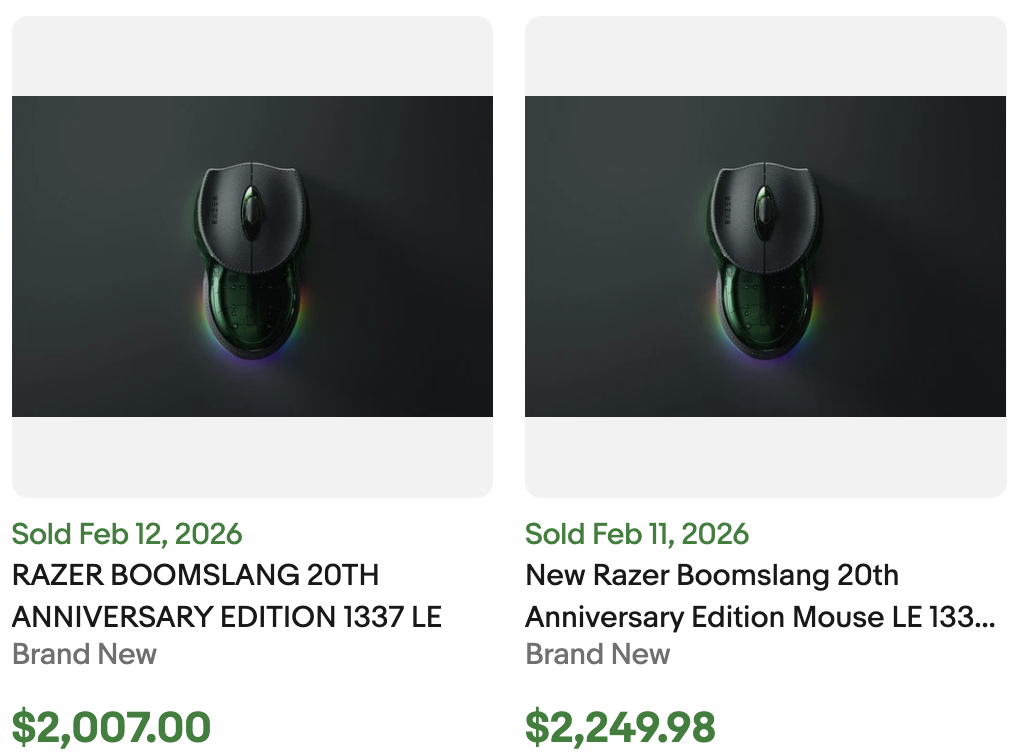
Razer Boomslang Anniversary Mouse for Sale

This gaming mouse flipped for $2,000+ from a $1,337 MSRP

The resellers who do best in this space stay informed. They know what’s dropping, when, and where. That’s where being plugged into the right communities starts to pay off in a direct, measurable way.

Online Arbitrage

Online arbitrage is the same concept as retail arbitrage but executed from your phone or computer, sourcing inventory from online retailers and reselling on platforms like eBay. Margins can be tighter because you’re competing with more people who have access to the same listings, but volume and efficiency can more than compensate. Experienced online arbitrage resellers can run significant operations without leaving home.

What Resellers Actually Earn

Here’s a realistic breakdown of annual reselling income by commitment level:

Casual reseller (a few hours per week, mostly waiting for big flips): $1,000 to $5,000 per year. This reseller isn’t grinding. They act on opportunities when they see them, but they’re not sourcing consistently or listing regularly. The ceiling here is defined by patience and luck.

Active part-time reseller (10 to 15 hours per week, consistent sourcing and listing): $8,000 to $20,000 per year. This is the reseller who treats it seriously as a side hustle. They’re hitting stores regularly, listing efficiently, and acting fast when alerts come in. They’re also in a position to take advantage of the big flips when they happen.

Full-time reseller: $40,000 to $100,000 or more per year. This is someone who has scaled their operation, likely specializes in one or two categories, has built reliable sourcing relationships, and treats reselling as a business. These numbers are achievable but require significant capital, time, and experience.

Most people reading this are probably looking at the middle category. And $15,000 to $20,000 a year in extra income, on top of a regular salary, is genuinely meaningful money. That’s a car payment, a vacation fund, or a real emergency cushion.

What About Huge Flips?

Most reselling income is steady and incremental. But sometimes a single opportunity comes along that changes the math entirely. Let’s take a look at two examples of RC Elite members coming up big on these kinds of unique opportunities.

MetaZoo 1st Edition Kickstarter Booster Box

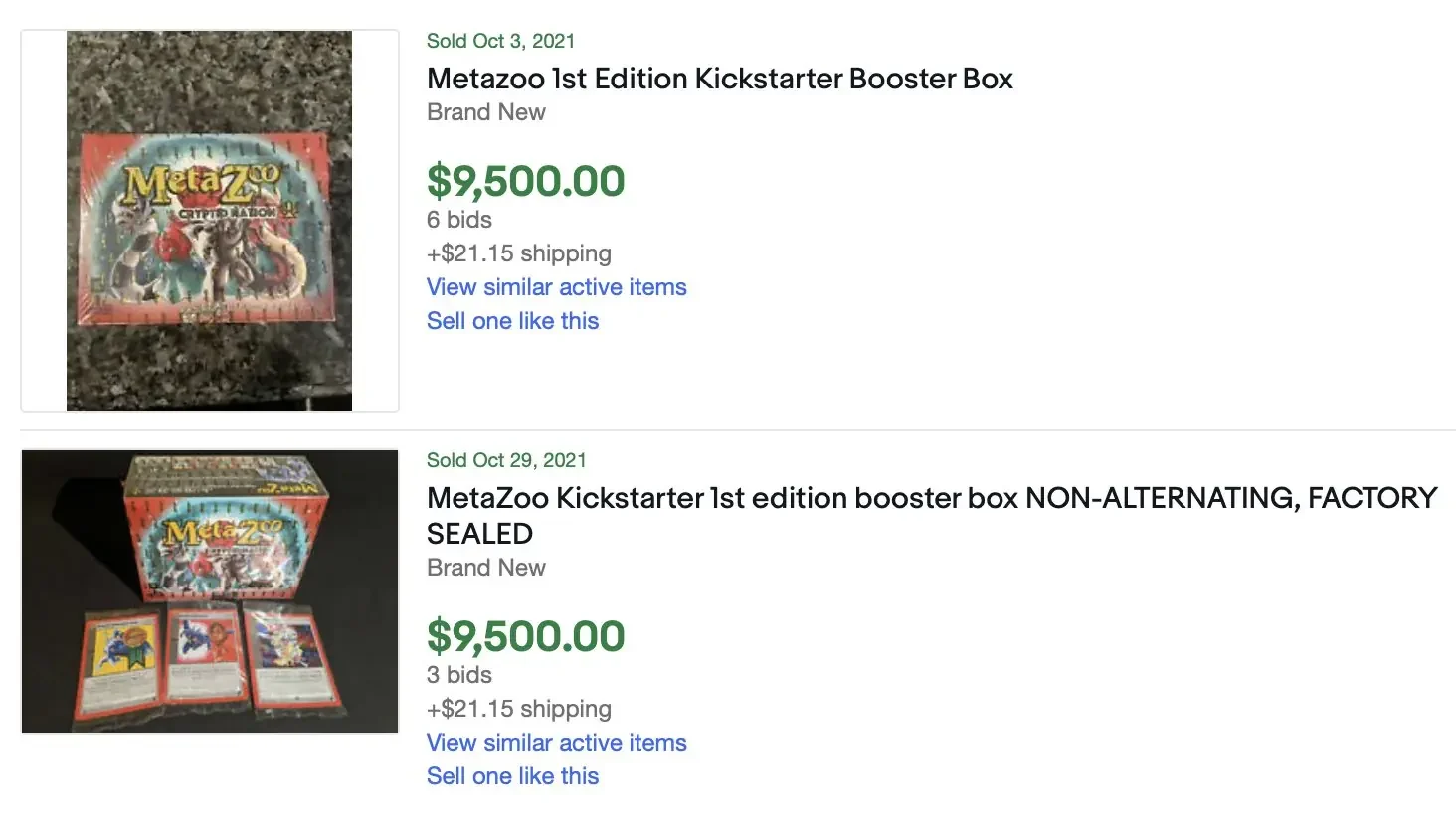
In March 2021, MetaZoo officially launched its trading card game and made the 1st Edition Kickstarter booster box available on their web store for $100. It wasn’t a high-profile release. The game was brand new, the brand was unknown to most people, and the boxes were sitting there openly purchasable for nearly two weeks after launch. Nothing about it screamed “get rich quick.”

What happened next was a slow burn. The MetaZoo community grew through 2021, the trading card market as a whole was on fire, and those Kickstarter boxes, produced in very limited quantities, became an investor favorite. By October 2021, the average aftermarket sale price had climbed past $9,000 per box. Resellers who bought in at $100 and held for a few months were looking at nearly 9,000% returns.

RC Hold Payoff Metazoo

This was not a same-day flip. It rewarded patience, awareness, and the willingness to act on an opportunity that most people had no idea existed. The resellers who ate on MetaZoo were the ones who were paying attention early, bought in when the information was there, and held long enough to let the market catch up.

One Piece College Basketball Promo Cards

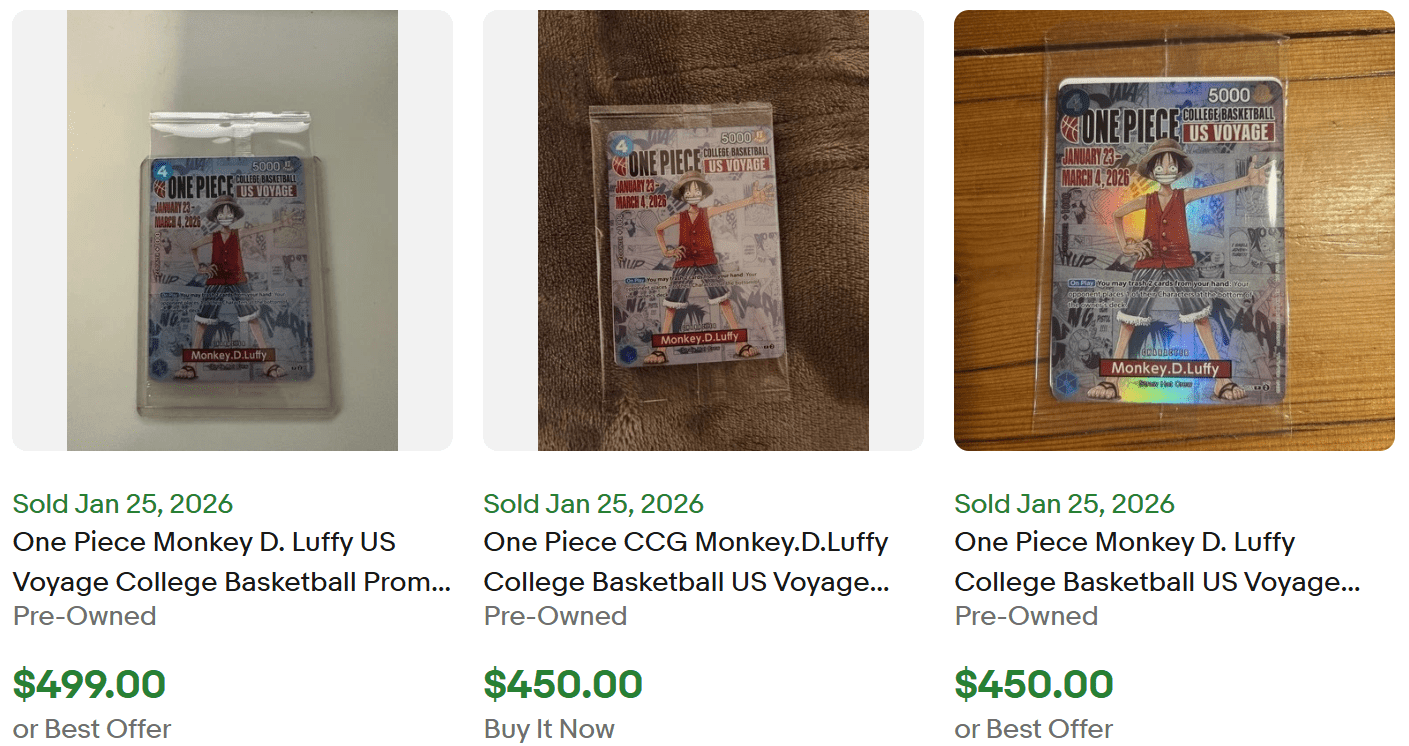
This one went a little differently. In January 2026, One Piece TCG partnered with five college basketball programs for a promotional card giveaway: ticketed fans at select home games received a Monkey D. Luffy basketball card at the gate. Free, one per person, no purchase required beyond a ticket.

Because they were only available in person at specific games, supply was hard-capped and demand from collectors was enormous. Resellers began turning profits of $300 to $500 per card after every game.

RC Elite member Jake Proost saw the opportunity, put together a crew of four, and showed up to the Gonzaga game with cash. They spent the night buying cards off other fans at $50 each. By the end of the evening, Proost and his partner had accumulated 293 cards at a total cost of $8,120. At an average sale price of $350 a card, that haul was worth over $100,000.

Monkey Luffy Basketball Card for Sale

This was a limited opportunity in a limited window. You had to be in the right location. You had to have the capital. Most importantly, you needed to have the information and confidence to pursue the flip. When these stars aligned, the profit potential is massive.

Both of these stories illustrate the same underlying principle. The big flips don’t announce themselves with fanfare. They show up in the feed, they require quick thinking or patient holding, and they are almost always only accessible to the people who were already paying attention when it happened.

Why Cook Groups Are Important

A cook group is a private community, usually run through Discord, where members share reselling intelligence in real time: upcoming drops, pricing errors, restock alerts, and sourcing tips. The idea is that the group does the research collectively so you don’t have to catch everything yourself.

The value of a cook group is not that it guarantees profits. It’s that it keeps you informed. When a major opportunity surfaces, members get notified quickly and have a real shot at acting on it. That consistent stream of information is what separates resellers who stumble onto good flips occasionally from resellers who are positioned to catch them regularly.

For resellers who want that kind of coverage without building the research infrastructure themselves, RC Elite is the premier group that caters to beginners and experienced resellers alike. If you want to take the guesswork out of reselling, joining RC Elite should be your top priority.

How Resellers Maximize Profits

A few factors that will determine where you land in those income ranges:

Time invested. Reselling rewards activity. More sourcing runs, more listings, more time monitoring the market translates directly to more opportunities captured and more profit.

Capital available. Bigger flips require bigger buy-ins. A reseller with $500 to deploy will hit different ceilings than one with $5,000. Managing capital well, not tying too much up in slow inventory, is one of the core skills of a profitable reseller.

Category knowledge. Resellers who know their categories intimately spot value that others miss. A thrift store find that looks like junk to most people is a $200 flip to someone who knows what they’re looking at.

Risk management. Profitable reselling means not losing money on bad bets. Understanding refund policies, knowing which items are final sale only, and not overextending on speculative flips keeps your losses manageable when things don’t go as planned.

Access to information. Timing matters enormously in reselling. Being among the first to know about a drop or pricing error is often the difference between copping at retail and paying resale prices yourself.

Bottom Line

Reselling is profitable if you work it. The small flips build discipline, category knowledge, and cash flow. The big flips, when they come, reward the resellers who were already paying attention. The combination of both, over time, adds up to a legitimate income stream that can make a real difference in your finances.

It’s not passive. It’s not a get-rich-quick scheme. But for resellers who approach it consistently and intelligently, the answer to “is reselling profitable?” is a clear yes.

Get posts like these in your inbox.

Monthly digest of the best of Resell Calendar.

Related Articles

Reseller shipping a package for an eBay sale
A Quick Guide to eBay Shipping for New Sellers

Take pictures, pack and seal well, and ship promptly

Best Items to Flip Beginner Reseller
The Best Items for Beginner Resellers to Flip

Start small and record easy profits first

woman holding phone and credit card in front of laptop
How to Write a Great eBay Listing

A little SEO knowledge goes a long way

Presell Guide eBay Reseller Policies
The Complete Guide to Preselling: When, Why, and How

For resellers, putting up presale listings can circumvent risk and lock in early profits

Is Sneaker Reselling Dead in 2025? We Dont Think So
Sneaker Reselling has Changed in 2025, But it's Not Dead

Margins are down across the board, but volume is up. Flipping sneakers is still plenty profitable

2025 Thrift Guide for Resellers
Here's Why 2025 is the Best Year to Get Into Thrifting

We're seeing some of the biggest profits since 2009. If you're not thrifting, you're leaving money on the table

Start Here

Reseller holding cash
How Much Money Can You Make Reselling?

It depends on what you're willing to put in

Reseller shipping a package for an eBay sale
A Quick Guide to eBay Shipping for New Sellers

Take pictures, pack and seal well, and ship promptly

Best Items to Flip Beginner Reseller
The Best Items for Beginner Resellers to Flip

Start small and record easy profits first

Pounce on resell opportunities before they sell out.

Get the details

Reseller holding cash
How Much Money Can You Make Reselling?

It depends on what you're willing to put in

Reseller shipping a package for an eBay sale
A Quick Guide to eBay Shipping for New Sellers

Take pictures, pack and seal well, and ship promptly

Best Items to Flip Beginner Reseller
The Best Items for Beginner Resellers to Flip

Start small and record easy profits first

woman holding phone and credit card in front of laptop
How to Write a Great eBay Listing

A little SEO knowledge goes a long way

Subscribe to Newsletter

A monthly digest of the best of Resell Calendar.