
Video Games
And Switch 2 bundles are still available
Music & Movies
Autographed vinyl is selling for up to $1,000
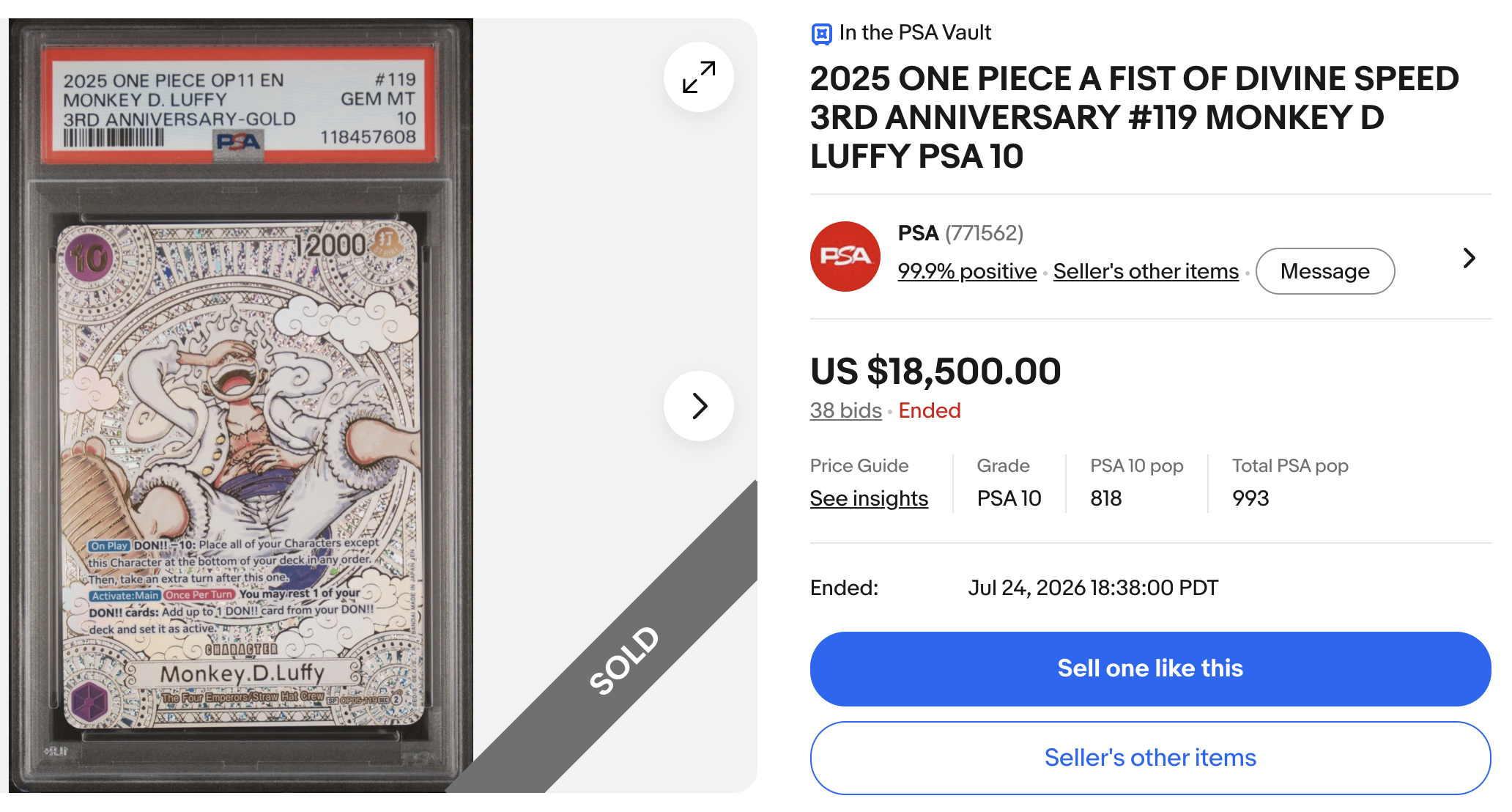
A collector paid $18,500 for a PSA 10 One Piece card listed directly through PSA’s own eBay Vault account
PSA’s Brand Protection team later determined the slab, label, and card inside are all counterfeit
PSA says it never actually graded or vaulted the card, despite the listing showing it as vaulted
Buying a graded card straight from PSA’s own eBay listings is supposed to be about as safe as it gets in this hobby. That might not be so true in 2026. A Reddit thread started by a One Piece collector that paid almost $20,000 for a counterfeit card directly from the PSA Vault has collectors and resellers talking, and it’s another black eye for PSA during an already rough period.
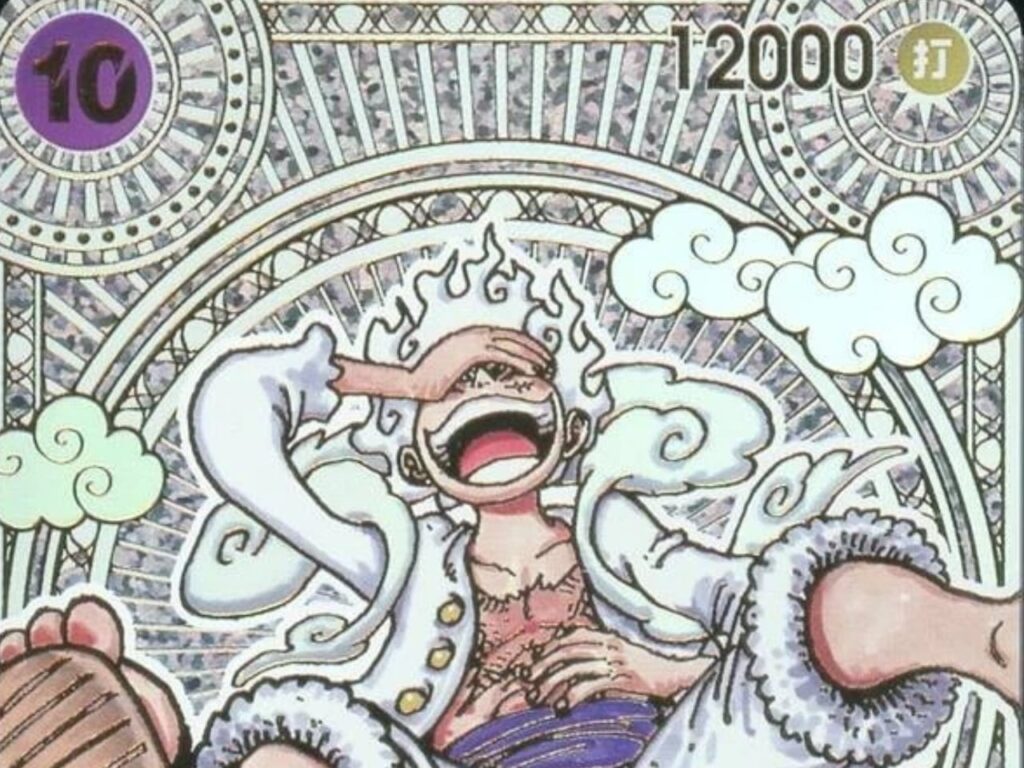
The card in question is PSA’s 2025 One Piece OP11-119 A Fist of Divine Speed 3rd Anniversary Gold Luffy that sold at auction for $18,500 after 38 bids on July 24. The listing carried the “In the PSA Vault” tag, meaning the buyer never had to worry about shipping from a random seller. Ownership transferred instantly inside PSA’s system.
The buyer then asked to have the card pulled from the vault and shipped to him. That request is what triggered the problem. Instead of the card showing up, PSA rerouted the shipment and opened an internal Brand Protection investigation. Over a month later, the buyer got an email from Collectors (PSA’s parent company) confirming the worst.
The plastic holder and label were counterfeit reproductions built to look like an authentic PSA case, and the card sealed inside was, in PSA’s own words, an unauthorized reprint. PSA said it never graded or encapsulated the item in the first place, which technically makes it ineligible for the vault it was supposedly sitting in.
Running cert 118457608 through PSA’s public lookup tool turns up nothing at all, meaning the number on the fake label doesn’t correspond to a real PSA record. It’s the most basic check that should be made on any graded card, and it’s pretty shocking that the card was allowed to be listed in the PSA Vault without this step being taken.
If PSA never graded or vaulted the card, how did it show up as “In the PSA Vault” on an eBay listing run by PSA’s own account? There are a few possibilities: a submission that got mislabeled during a grading backlog, a card that was swapped somewhere inside the vault’s handling chain, or a fraudulent submission that slipped past whoever checks incoming vault items. PSA hasn’t publicly clarified which (and probably never will), and this remains the central open question rather than a settled case of one company’s negligence.
PSA has committed to returning the fraudulent case and card to the original consignor at no charge, and the buyer is working directly with PSA to get their $18,500 back. There’s no indication yet of how long that process will take.
High value cards like this one are a big reason why collectors turn to grading services like PSA for peace of mind. If a fake can get listed as vaulted by PSA’s own account, the entire pitch of “buy it straight from the source, skip the risk” takes a real hit, even in a case where PSA ultimately caught it before the buyer ever held the fake in hand.
The practical takeaway for anyone buying graded cards at this price point is that you should always do your due diligence (including running the cert number), regardless of who the seller is. This case is a clear example of why: the cert on the fake label doesn’t exist in PSA’s system at all, and that check would have flagged the card before any money changed hands. Even vault-to-vault sales aren’t automatically bulletproof.
Video Games
And Switch 2 bundles are still available
Music & Movies
Autographed vinyl is selling for up to $1,000