
Clothing & Accessories
Limited edition GTA 6 has been lucrative for resellers

USPS announced an 8% price increase on Priority Mail, Ground Advantage, and Parcel Select, effective April 26
The surcharge is framed as “time-limited” through January 17, 2027
First-Class Mail stamp prices are not affected; only parcel shipping services are impacted
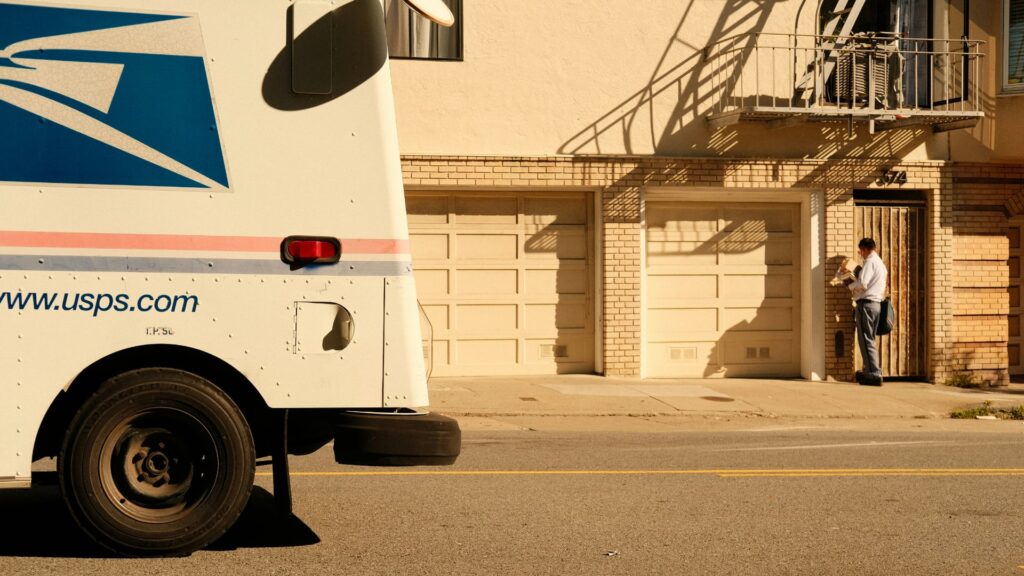
Fuel costs are up, and USPS wants resellers to help cover the difference. Starting April 26, every package you ship via Ground Advantage, Priority Mail, or Priority Mail Express is going to cost 8% more. USPS is officially calling this a temporary fuel-related surcharge, but buried in their own press release is an admission that it’s a “bridge to a permanent mechanism.” Do the math on what that phrase means for your shipping costs going forward.
On March 25, USPS filed a notice with the Postal Regulatory Commission outlining an 8% price increase across the following services: Priority Mail Express, Priority Mail, USPS Ground Advantage, and Parcel Select. The increase is pending PRC approval and is set to go into effect at midnight Central on April 26, running through January 17, 2027.
USPS is framing this as a response to rising transportation and fuel costs, pointing out that their competitors already charge fuel surcharges and that even with this hike, their rates remain competitive. That’s probably true at the macro level. It doesn’t make the math any better for sellers operating on thin margins.
Ground Advantage is the backbone of most eBay sellers’ shipping operations. Here’s what an 8% increase looks like in practice, using current 2026 retail rates.
Light package (under 1 lb, local zone): A package in the 8 oz tier currently runs around $7.30 at retail for Zone 1-4. After the surcharge, that becomes approximately $7.88. That’s an extra $0.58 per shipment.
Mid-weight package (2 lbs, Zone 5-6): Currently around $11.50 at retail. After the surcharge, roughly $12.42. That’s about $0.92 more per package.
Heavier package (5 lbs, Zone 6-7): Currently around $14.00 at retail. After the surcharge, roughly $15.12. An extra $1.12 per shipment.
Those numbers sound small in isolation. Scale them out and the picture changes fast. If you’re shipping 30 packages a month at an average shipping cost of $10, you’re currently spending $300/month on postage. After the surcharge, that same volume runs $324. That’s $288 per year in additional costs purely from this change, and that’s before the next rate adjustment cycle in January.
For high-volume sellers moving 100+ packages a month, the annual bleed can easily exceed $1,000.
Here’s the part worth paying close attention to. USPS explicitly described this surcharge as a “bridge to a permanent mechanism to reflect market conditions.” That’s the postal service telling you, in their own press release, that they’re working on a way to make fuel-linked pricing a permanent feature of their rate structure.
UPS and FedEx have charged fuel surcharges for years. USPS has been the holdout, and that holdout has been one of the reasons smaller eBay sellers preferred them. That advantage is narrowing. Again, this is billed as temporary with an expiration set in January 2027. If you know anything about our government, expect to see these fees extended indefinitely.
This is also the second consecutive year with significant increases on parcel services. Ground Advantage rates went up an average of 7.8% in January 2026. Now add another 8% on top of that, and sellers who haven’t adjusted their pricing models since 2024 are dealing with compounding cost increases that are quietly eating into their margins.
The surcharge hits retail rates. Sellers printing labels through eBay, Pirate Ship, or other shipping platforms with commercial pricing access are starting from a lower base, which means the 8% increase is a smaller absolute dollar amount than it would be at the post office counter. If you’re still buying labels at retail pricing, that’s the first thing to fix.
Beyond that, there are a few practical moves worth making before April 26.
Sell locally when it makes sense. Platform and shipping fees stack up fast on lower-value items. For anything bulky or for items where the margin is thin, listing locally on Facebook Marketplace cuts both the eBay fee and the shipping cost entirely. A $40 item with $8 in shipping and $5.20 in eBay fees leaves you $26.80. That same $40 sold locally, cash in hand, is $40.
Audit your packaging. Dimensional weight pricing and weight-rounding rules mean that inefficient packaging is double-punished by a rate increase. An 8 oz item in an oversized box may be billed as a heavier or higher-DIM shipment than necessary. Tightening up your packaging reduces base costs, which reduces the dollar impact of any percentage-based increase.
Review your shipping assumptions on active listings. If you listed items months ago with free shipping baked into the price, those listings are now losing more margin than when you created them. Either reprice or switch to calculated shipping so buyers see the real cost and you’re not absorbing the difference.
Know your break-even zones. For items going cross-country, the surcharge hits harder in dollar terms because base rates are higher for longer zones. A shipment going Zone 7-8 already costs significantly more than Zone 1-3. If your margins on certain items only worked because of cheap cross-country Ground Advantage rates, it’s worth identifying those SKUs now.
For a full breakdown of how to optimize your shipping setup, check out our beginner’s guide to eBay shipping.
USPS calling this “temporary” is doing a lot of work. Rates were already up nearly 8% from January 2026’s adjustment, and this adds another 8% effective April 26 for most package services. The total impact on margins depends on your volume and shipping profile, but there’s no scenario where this is a non-event if you’re shipping regularly.
Get on commercial pricing if you’re not already, audit your packaging efficiency, and look at local selling options for items where shipping costs are eating the profit. The rate environment isn’t getting more forgiving, and the sellers who adapt their cost structures now will be better positioned when the next adjustment hits.
Clothing & Accessories
Limited edition GTA 6 has been lucrative for resellers