


There's free money at the grocery store
Take pictures, pack and seal well, and ship promptly
Start small and record easy profits first
Checking eBay’s sold listings is the most reliable way to verify what an item has actually sold for
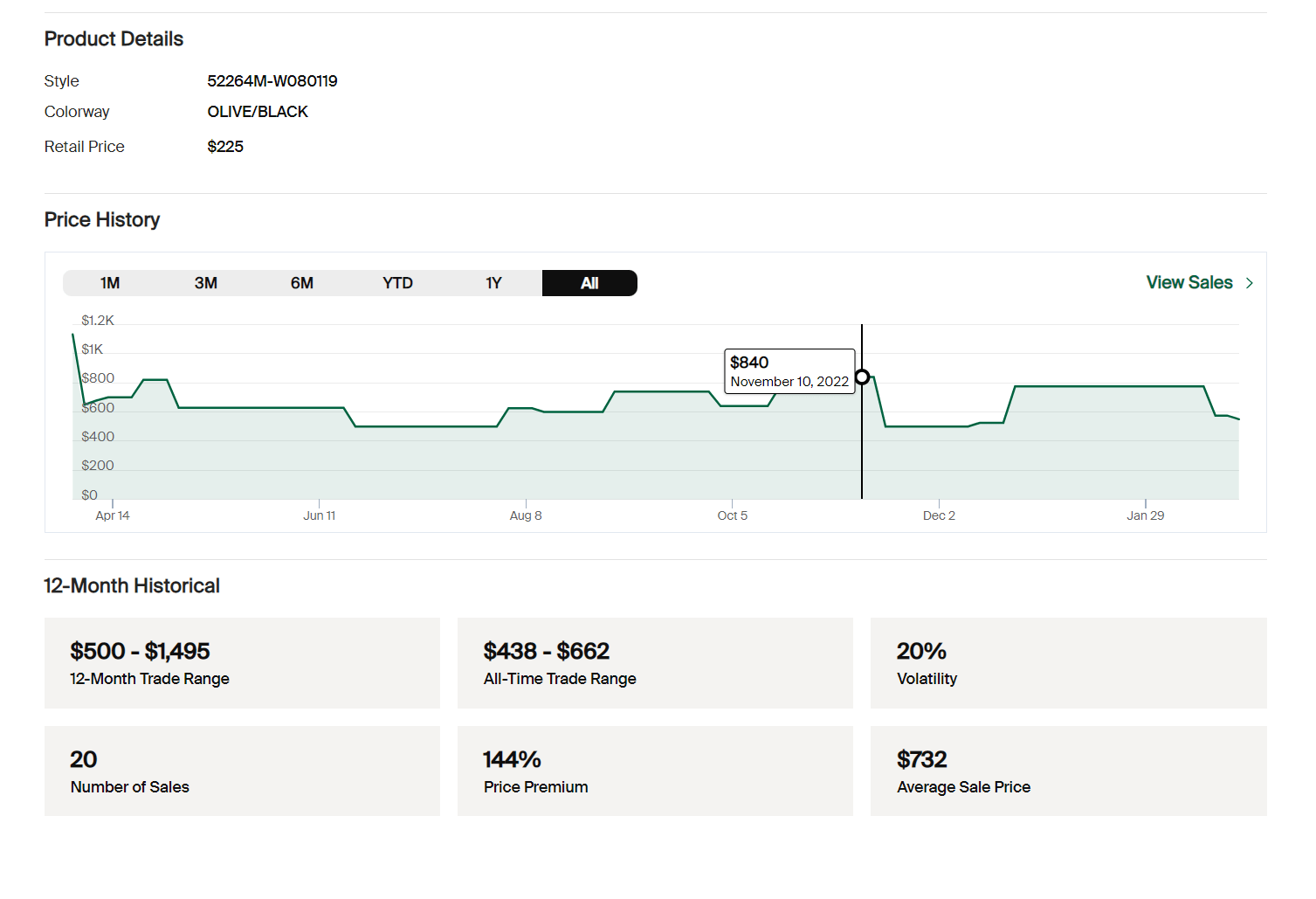
StockX shows full price history and current market activity for sneakers and streetwear
Mercari’s sold filter makes it easy to see recent transaction prices in seconds
Buying an item to flip without checking its resell value first is like driving somewhere new without looking at the map. You might get there, but you’re just as likely to end up somewhere you didn’t want to be. Fortunately, checking what an item is actually worth on the secondary market takes about three minutes once you know where to look. This guide walks you through how to do it on the platforms that matter most.
The first thing to understand is that active listings, the ones currently for sale, tell you almost nothing useful. Any seller can list an item at any price. What you want to know is what buyers have actually paid, and that means sold listings only.
There is a meaningful difference between “asking price” and “sold price,” and it’s the difference between a good flip and a brick sitting in your closet. A seller might list a product for $300 and get no traction while a different listing for the same item sells for $175. If you base your buying decision on the $300 ask, you’ve already made a mistake. Every research method below focuses on completed transactions for exactly this reason.
That said, sold listings alone don’t tell the whole story. Dates and volume matter just as much as price, and this is where a lot of newer resellers hurt themselves through a pattern called undercutting.
After an item sells out, resellers put up listings at above-retail prices
Impatient sellers choose to list their items for $50 to $100 below the average price
This cuts their own profits significantly and attracts buyer attention
If other sellers adjust prices due to buyer demand, it creates a domino effect that reduces profits across the board
The smarter play, especially in the days immediately after a hyped product sells out, is to list high while buyer demand is at its peak. Let the market come to you. If listings aren’t getting traction after a week or two, then it makes sense to reassess. But pricing low out of the gate hurts your own return and completely kill profit margins for other resellers.
When you’re reading sold data, look at the timestamps. A cluster of low sales from the first 48 hours after a drop often reflects undercutting panic, not the actual market ceiling. Sales from a week or two later, once the dust has settled, tend to be more representative of where prices stabilize.
eBay is the best all-around research tool for resellers because it covers nearly every product category and has more transaction volume than any other secondary marketplace.
To find sold listings, go to eBay and run a search for the item you’re researching. On desktop, look for the “Advanced” link next to the search bar. From there, check the “Sold listings” box under “Search including” and run the search. You’ll see completed sales with dates and final prices. On mobile, after running a standard search, tap “Filter” and scroll down to enable sold listings.
One thing to watch for: when a listing sells through eBay’s “Best Offer” feature, the actual sale price is hidden. eBay will display the original asking price with a line through it, which can be misleading. If you want the real number, plug the item into 130point.com, a free tool that pulls eBay’s Best Offer sale prices that aren’t publicly shown. It’s particularly useful for higher-value items where buyers commonly negotiate.
When you’re scanning sold listings, look at the most recent sales first and check for consistency. A few outliers in either direction aren’t as meaningful as a cluster of sales in a tight price range. That cluster is your market.
StockX functions as an authentication-based marketplace for sneakers, streetwear, trading cards, electronics, and collectibles. Unlike eBay, every sale goes through StockX’s verification process, which means the prices reflect authenticated goods.
On any item’s page, StockX displays the current lowest ask and highest bid, giving you a real-time snapshot of where buyers and sellers are positioned. More usefully for research purposes, you can view the full sales history for an item, every individual transaction with a date and price, presented as a price chart. This makes it easy to see whether a product is appreciating, declining, or holding steady over time.
StockX offers useful graphs with prices, sale dates, and averages
StockX is the best tool available for sneaker and streetwear research. For categories it covers, the data is clean and reliable. For everything else, it’s not the right tool.
Mercari is a peer-to-peer marketplace that skews toward everyday consumer goods, clothing, and collectibles. It doesn’t have eBay’s volume, but it’s worth checking for certain categories, especially toys, plush, and mid-tier collectibles.
Finding sold listings on Mercari is straightforward. Run your search, then click the “Sold” tab that appears beneath the search bar. From there you can apply additional filters for brand, size, condition, and price range to narrow the results. The sold prices are displayed directly on each listing, no extra steps required.
Facebook Marketplace doesn’t allow users to view sold listings at all. You can browse active listings to get a rough sense of what sellers are asking, but without transaction data, you have no way to know what’s actually moving or at what price. For research purposes, treat Facebook Marketplace as a sourcing tool rather than a pricing tool. It’s useful for finding inventory locally; it won’t tell you what that inventory is worth.
For most items, the right approach is to start with eBay sold listings, which give you the broadest transaction data available, then cross-reference with StockX if the item falls into a category they cover. Mercari is worth a quick check if you’re working in a category where it’s active.
The goal is to find at least 5 to 10 recent sold transactions at similar condition levels before committing money. If you can’t find enough sales data to establish a price range, that’s useful information too. Thin transaction volume usually means a thin market, and thin markets are harder to exit quickly.
Knowing how to read sold listings is one of the core skills that separates resellers who make consistent money from those who guess and get burned. Once it’s habit, it takes about two minutes per item and saves you from buying things that were never going to flip.
Once you’ve figured out your listing price, check out our guides on how to write a great eBay listing and the basics for shipping on eBay to make sure your first sale is smooth, easy, and profitable.
There's free money at the grocery store
Take pictures, pack and seal well, and ship promptly
Start small and record easy profits first